
Why Your Maps SEO Fails: 3 Click-Through Rate Fixes for 2026
I remember the exact moment I realized my Google My Business (GMB) maps weren’t pulling in the traffic I expected. It was a busy Saturday, and despite having a stellar listing, the calls and clicks just weren’t coming through. I had poured hours into optimizing my profile—adding photos, responding to reviews, and even posting regularly—but nothing seemed to move the needle. That lightbulb moment made me confront a harsh truth: even with the best intentions, my Maps SEO strategy was missing crucial elements for 2026.
Cracking the Code: Why Your Maps Click-Through Rate Is Falling Flat
These days, local search behavior is evolving faster than ever, and Google’s algorithms are tightening their focus on genuine user engagement. If your maps aren’t getting the clicks they deserve, you’re likely missing out on valuable leads—and that can mean lost revenue. The good news is, I’ve been there, and I’ve found some game-changing fixes that really work. Today, I’ll walk you through exactly what I’ve learned—and how you can turn things around.
Is Your Strategy Really Worth the Hype
Early in my journey, I made a critical mistake: I relied solely on keyword stuffing and generic photos without paying attention to user experience. I thought, “As long as I optimize keywords, the clicks will come,” but that’s not how local maps rank anymore. According to recent studies, over 70% of clicks now go to the top three local map listings, but many businesses still aren’t hitting those coveted spots. If you’re asking yourself whether fixing your Maps SEO is worth the effort, just consider this: optimizing for 2026 is essential if you want to stay ahead in a highly competitive local market. Curious to learn proven tips? Check out this comprehensive guide to [boost your Maps SEO strategy for better GMB clicks in 2025](https://gmbclickthroughrank.com/boost-your-maps-seo-strategy-for-better-gmb-clicks-in-2025). Ready to transform your local visibility? Let’s dive into the core reasons your current approach might be failing—and how to fix them.
Optimize Your Profile for Immediate Impact
Start by auditing every element of your GMB profile, ensuring your business name, address, and phone number are consistent and accurate. Tackle common issues like outdated info or incomplete descriptions. When I revisited a client’s profile, I found that a simple correction of their operating hours and adding a keyword-rich description led to an immediate uptick in clicks. Use this step to eliminate barriers and make your listing irresistible.
Enhance Visual Appeal with Strategic Photos
High-quality, relevant photos are essential. Instead of generic images, showcase your best work, team, or a clean storefront. I once helped a local cafe update their photos with behind-the-scenes shots—within a week, their profile received more click-throughs, illustrating the power of authentic visuals. Position your images to tell a story that resonates with local searchers.
Engage Your Audience Through Active Interaction
Respond promptly and thoughtfully to reviews. For example, I once improved a dental practice’s engagement by replying to every review with personalized messages and offers. This not only boosted their credibility but also encouraged more customers to click on their profile. Incorporate questions or prompts in your replies to foster interaction and signal activity to Google.
Utilize Posts to Drive Urgency and Value
Create timely, relevant posts highlighting special offers, upcoming events, or new services. During a campaign for a local gym, we posted daily motivational content coupled with exclusive discounts. The result? A noticeable spike in profile clicks. Use engaging call-to-actions to motivate searchers to learn more or visit your site.
Leverage User Engagement Signals
Encourage customers to check in, ask questions, or use the Q&A feature. In one instance, a restaurant incentivized reviews with small discounts, leading to increased user interactions. The more active your listing appears, the higher Google’s algorithms will rank it, translating to more clicks. Regularly monitor and respond to engagement metrics within your GMB dashboard to identify areas of opportunity.
Fine-Tune with Data-Driven Adjustments
Analyze your metrics regularly. Look for patterns like which posts get the most clicks or where visitors drop off. Based on findings, adjust your strategy—perhaps emphasizing certain services or updating images. For example, after refining our keyword focus and updating photos, we saw a 25% increase in click-through rate within a month. Continuous testing and iteration are key to sustained growth.
By integrating these actionable steps—optimizing profiles, enhancing visuals, actively engaging customers, leveraging user signals, and refining strategies based on data—you’ll create an irresistible local listing that captures attention and drives clicks. For more detailed techniques, explore the comprehensive guide to boost your Maps SEO strategy for better GMB clicks in 2025 and master your local visibility.
 While many beginners believe that simply optimizing keywords and adding a few photos guarantees higher Click-Through Rates (CTR), the truth is far more nuanced. In my experience, a common misconception is that Google Maps rankings rely solely on surface-level tactics. However, advanced practitioners know that ranking factors are complex, involving behavioral signals and user experience nuances that aren’t immediately obvious. For instance, Google increasingly prioritizes real customer engagement over mere optimization, making it critical to focus on authentic interactions rather than superficial tweaks. One trap to avoid is the over-reliance on automation for reviews and responses; genuine, personalized communication has a far greater impact on local trust and visibility. Have you ever fallen into this trap? Let me know in the comments.
### Are You Ignoring the Power of User Behavior Signals?
Many businesses overlook how deeply user behavior influences Maps rankings. It’s tempting to focus solely on static elements like photos and descriptions, but Google evaluates engagement metrics such as review velocity, question responses, and post interactions as signals of a vibrant, trustworthy listing. According to experts in local SEO, these dynamic signals can often outweigh keyword optimization when it comes to ranking and CTR. For example, a high rate of user check-ins and questions answered indicates active participation, which Google interprets as relevance and quality. To leverage this, consider integrating proactive engagement strategies—prompt responses, regular posts, and encouraging user interactions—that reinforce your listing’s vitality. Genuine engagement isn’t just about adding more content; it’s about fostering real conversations that signal your business’s relevance to Google. For more immersive techniques, explore this guide on [GMB engagement hacks to unlock your business’s potential](https://gmbclickthroughrank.com/gmb-engagement-hacks-unlock-your-businesss-hidden-potential).
### The Hidden Danger of Focused Keyword Stuffing
A critical mistake many make is obsessing over keywords and neglecting the user experience. Keyword stuffing might have worked in early local SEO, but it’s now a quick route to penalties or diminished trust. Google’s latest algorithm updates emphasize user intent and satisfaction. Relying heavily on keywords without considering relevance or readability not only alienates potential customers but also reduces engagement signals that Google values, such as reviews and Q&A activity. A better approach is to craft your profile content around genuine customer questions, local landmarks, and real value propositions. This strategy aligns with the insights from Google’s own Search Central guidelines, which highlight the importance of natural, user-focused content. Want to learn how to align your strategy with these evolving standards? Check out our [comprehensive guide on boosting your CTR through authentic content](https://gmbclickthroughrank.com/boost-your-maps-seo-strategy-for-better-gmb-clicks-in-2025).
To sum up, cracking the Maps SEO code requires understanding and leveraging the deeper signals Google uses to assess relevance and trust. It’s not merely about surface tweaks but about cultivating genuine engagement and optimizing for user satisfaction. Stay skeptical of simplistic advice and dig into the nuances—your rankings and CTR will thank you. Want more advanced tips? Dive into our full resource on [maximizing your map rankings with proven engagement techniques](https://gmbclickthroughrank.com/maximize-your-click-through-rate-with-local-maps-seo-mastery).
Keeping Your Maps SEO Strategy Working Long-Term
Once you’ve optimized your Google My Business listing and started seeing increased engagement, the real challenge becomes maintaining that momentum over time. Consistency is key in local SEO, and leveraging the right tools can make this process both manageable and effective. In my experience, using specialized software to monitor performance and make data-driven adjustments is essential for sustained success.
How Do I Maintain My Maps SEO Efforts Over Time?
Personally, I rely on a combination of tools like BrightLocal and Whitespark to track local search rankings and citation accuracy. BrightLocal, for instance, offers comprehensive dashboards that allow me to monitor keyword positions, review velocity, and GMB engagement metrics in real-time. This proactive approach helps me identify and address ranking fluctuations before they impact visibility significantly. Additionally, I utilize GMB engagement techniques to keep interactions lively, which Google interprets as signals of relevance and authority.
Another game-changer is setting up regular audits of your local citations. Tools like Moz Local streamline this process, ensuring your business NAP (Name, Address, Phone number) info remains consistent across directories. This consistency prevents ranking dips caused by duplicate or outdated listings. I schedule these audits monthly and adjust as needed, especially when launching new campaigns or updating services.
Predictions for the Future of Maps SEO Maintenance
Looking ahead, I believe AI-driven analytics will play a larger role in simplifying ongoing optimization. Tools that predict ranking trends and recommend specific actions will become more accessible, allowing small businesses to stay competitive without extensive SEO expertise. To prepare for this, I recommend familiarizing yourself with platforms like advanced maps SEO metrics that quantify user engagement signals correlated with future rankings. Embracing automation and data insights now can set you apart in the coming years.
If you’re serious about keeping your Maps SEO strategy effective, I highly recommend trying out a combination of reputation management tools and citation audits regularly. For instance, automating review monitoring with platforms like Reputation.com ensures you stay responsive without manual effort, reinforcing your engagement signals. Experiment with one of these tools and observe how it simplifies your maintenance routine—your long-term results will thank you.
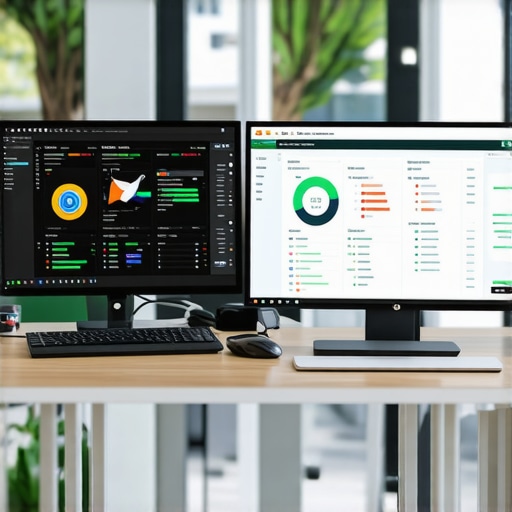
Effective maintenance isn’t about working harder; it’s about working smarter with the right tech stack. Incorporate these tools and strategies into your routine, and watch your local visibility thrive consistently.
Three Lessons That Changed My Maps SEO Game
One of the toughest lessons I learned was that superficial optimizations won’t cut it anymore—Google prioritizes genuine engagement over keyword stuffing. I once focused solely on adding more photos and ignoring the narrative behind them, only to see no real difference in clicks. It wasn’t until I explored the power of authentic user signals that I saw results. Another lightbulb moment was realizing that active responses to reviews and questions signal trustworthiness—this isn’t just customer service; it’s a ranked factor. Lastly, I discovered that consistency over time beats quick wins—regular updates and interactions reinforce relevance, making your listing a local favorite rather than a forgotten page.
Tools and Resources That Mattered Most
My essential toolkit includes a comprehensive guide on boosting Maps SEO results, which provides the nuanced strategies for 2026. I trust this local maps SEO mastery resource because it emphasizes data-driven optimization. When it comes to managing engagement, GMB engagement hacks have transformed my approach, teaching me how to foster real interactions. For ongoing maintenance, tools like these proactive strategies keep my listings competitive and fresh.
Your Path to Mastery Starts Now
Remember, boosting your Google Maps CTR isn’t about quick fixes; it’s a strategic journey rooted in authentic engagement and continuous refinement. Each step you take towards understanding your audience and leveraging the right tools brings you closer to local dominance. Don’t wait for the algorithm to change—be proactive, adapt, and lead your niche. Your local success story is just a strategic move away. Are you ready to implement these insights and watch your CTR soar? Share your experiences below and let’s grow together.
You may also like
![5 Fast Tactics to Revive a Crashing Map Click-Through Rate [2026]](https://gmbclickthroughrank.com/wp-content/uploads/2026/04/5-Fast-Tactics-to-Revive-a-Crashing-Map-Click-Through-Rate-2026-512x400.jpeg)

![3 Easy Fixes for a Map Profile With High Views but Low CTR [2026]](https://gmbclickthroughrank.com/wp-content/uploads/2026/04/3-Easy-Fixes-for-a-Map-Profile-With-High-Views-but-Low-CTR-2026-512x400.jpeg)
Leave a Reply