
Stop Wasting Time on Keywords: 3 Maps SEO Shifts for 2026 Clicks
I remember the moment vividly—after hours spent tweaking keywords and optimizing my Google My Business (GMB) profile, I refreshed the map results only to see my listing buried even further. It was frustrating. Despite following what I thought were proven tactics, my click-through rates (CTR) remained stubbornly low, and I wondered whether all those hours were just a waste. Sound familiar?
The Real Problem Behind Your Low Map Clicks
Here’s the truth I had to learn the hard way: focusing solely on keywords isn’t enough anymore. The landscape of local SEO, especially on Google Maps, is shifting rapidly—by 2026, it’s set to look very different. If you’re still clinging to old tactics, you’re fighting a losing battle. But don’t worry. I’m here to tell you that there’s a smarter way—one that aligns with how Maps SEO is evolving.
In my early days, I made the mistake of obsessively keyword-stuffing my profile, hoping it would magically boost clicks. Instead, it often backfired, making my listing seem spammy and untrustworthy. I wish someone had explained that Google is prioritizing user experience and relevance over simple keyword matches. Over time, I discovered that understanding the new Maps SEO shifts for 2026 is crucial if you want to stay ahead.
What You Can Expect in Today’s Guide
Today, I’ll walk you through the three main changes that will likely determine your success or failure in Maps SEO come 2026. We’ll explore how these shifts impact clickability and engagement, and I’ll share proven strategies to adapt your approach now. Trust me—ignoring these changes will only cost you potential customers in the near future. Are you ready to stop wasting time on outdated tactics and start making real progress? Let’s dive in.
Is Maps SEO Really Worth the Fuss?
That’s a question I wrestled with early on. Honestly, I lost valuable leads because I thought I could cheat the system with gimmicks. But the truth is, Google’s algorithms are now smarter than ever, rewarding genuine relevance over keyword stuffing. If you’re skeptical, I get it. I once believed that a few quick hacks could keep my profile ranking high. But as the landscape evolves—especially with upcoming updates—it’s clear that a solid, adaptive strategy is essential. Want to learn more about how to stay ahead? Check out these proven tactics.
Optimize Your Profile for Maximum Engagement
Start by ensuring every element of your Google My Business (GMB) profile is fully optimized. Fill out all fields with accurate, detailed information—think of it like setting up your shop window to catch attention. Use primary keywords naturally within your business description, avoiding spammy tactics that can backfire. Incorporate your location and service keywords without overstuffing; instead, focus on relevance and clarity. An example from my experience: I once added a detailed service section with targeted keywords, which led to a noticeable increase in profile visits.
Craft Compelling Business Descriptions
Your description is your pitch. Write it conversationally, highlighting what makes your business unique. Include relevant keywords, but prioritize readability. Think of it as storytelling that appeals to your target audience while signaling relevance to Google’s algorithm.
Leverage Visual Content Effectively
Images are crucial—think of them as your storefront visuals. Use high-quality photos showing your workspace, products, or team. Regularly update your images to keep your profile fresh. Remember, pictures enhance trust and can increase click-through rates—just like storefront displays do for brick-and-mortar shops. For inspiration on impactful imagery, see these video content hacks.
Use 360-Degree Photos and Virtual Tours
Immersive visuals invite potential customers inside your business. If possible, add 360-degree photos or virtual tours. These features give users a sense of familiarity before they even visit, increasing the likelihood of a click and visit. I added a virtual tour to my profile, which resulted in longer engagement durations and more inquiries.
Stay Active with Posts and Updates
Demonstrate activity to boost engagement. Consistently post updates about special offers, events, or new services. Use a mix of text, images, and videos—diversity keeps your profile lively. Think of it as regularly chatting with your audience, which Google interprets as relevance and vitality. I experimented with different post styles and found that short, engaging videos increased my clicks significantly.
Implement Action-Oriented Content
Use clear calls-to-action (CTAs) in your posts and descriptions. Encourage users to call, visit your website, or get directions. Make your CTA buttons prominent—it’s like placing a sign that invites passersby inside. My own tests with direct CTAs improved my profile’s engagement metrics, leading to more phone calls and map clicks.
Encourage and Manage Reviews Carefully
Reviews influence trust and rankings. Prompt satisfied customers to leave genuine reviews. Respond promptly and thoughtfully to all reviews, especially negative ones, showing you care. Think of reviews as word-of-mouth recommendations in digital form. Engaging with reviews demonstrates your commitment, which can sway potential customers to choose you over competitors.
Solve Customer Concerns Publicly
Use the review responses as an opportunity to showcase your professionalism and problem-solving skills. A well-crafted response can turn a negative into a positive and improve your perceived reliability.
Deepen Your Engagement with Maps Features
Utilize all interactive features offered by GMB. Add FAQs, create special offers, or highlight events to keep your profile engaging. These signals are increasingly important for Maps SEO. For a comprehensive approach, check out these engagement hacks that can help you harness hidden features effective for 2026 and beyond.
Monitor Performance and Iterate
Track your profile metrics regularly. Use insights to identify what drives clicks and engagement. Adjust your tactics accordingly—think of it as evolving your storefront based on customer behavior. My experience shows that iterative improvements, even minor ones, compound over time, leading to substantial gains in visibility and traffic.
Many local business owners think that increasing their Google My Business (GMB) engagement is just about posting more photos or encouraging reviews, but this oversimplifies the complex nuances of Maps SEO. In reality, most people get it wrong by focusing on surface-level tactics rather than understanding the underlying signals that truly influence visibility and click-through rates. For example, there’s a widespread misconception that keyword stuffing in your profile description will boost your rankings. However, Google now prioritizes relevance and user experience over mere keyword presence—ignoring this can lead to penalties rather than gains. Another common myth is that more reviews automatically mean higher rankings. While reviews are important, their quality and the way businesses respond to them significantly impact local SEO performance. Moreover, many overlook the importance of engagement signals like virtual tours, FAQ updates, and post interactions, which are crucial for staying ahead of upcoming 2026 Maps SEO shifts. One hidden danger is the assumption that traditional backlink strategies, effective in broader SEO, directly translate to GMB ranking improvements. But local SEO relies heavily on on-platform engagement metrics, making it unique. Studies by industry experts like Moz show that Google’s local algorithms emphasize real-world relevance and engagement over classic link-building. Therefore, crafting a comprehensive strategy that incorporates visual content, active participation, and relevance signals is essential. Avoid falling into the trap of complacency—remember that in the evolving GMB landscape, *engagement excellence* often trumps mere optimization. For deeper insights on how to adapt your approach, explore our cornerstone content on boosting your Maps SEO strategy. Have you ever fallen into this trap? Let me know in the comments.
Keeping Your GMB Efforts in Top Shape
Achieving initial success with your Google My Business (GMB) profile is just the beginning. To maintain and even enhance your engagement over time, a strategic approach to tools and routine upkeep is essential. Personally, I rely heavily on Google Analytics and Google Search Console to monitor how users interact with my listing and website traffic originating from maps and local searches. These platforms provide invaluable data—click patterns, user behavior, and keyword performance—that help me fine-tune my tactics continuously.
Another key resource is Maps SEO tools like BrightLocal and Whitespark. I’ve used these to audit my local citations, check my NAP consistency, and track rankings without manual effort. Their automated reports save me hours and reveal issues before they impact my visibility. Plus, they help identify new opportunities for reviews or content updates that can keep my profile vibrant and relevant.
In my experience, scheduling regular profile audits every month ensures that I catch outdated information, low-quality images, or neglected posts. Setting reminders for consistent photo updates and review management keeps my profile engaging and trustworthy—a key factor in ongoing clicks and conversions. And as Google updates its algorithms, staying informed about recent shifts—like the upcoming maps SEO changes predicted for 2026—can give you an edge. For deeper insights, check out this resource on mastering Maps SEO.
What about scaling your efforts without losing quality?
Automation tools like Hootsuite or Buffer, when used wisely, allow me to schedule posts, respond to reviews, and update content across multiple listings simultaneously. This is crucial for managing multiple locations or expanding your business presence without doubling your workload. I’ve found that maintaining a balance—automating routine tasks while personally responding to reviews and engaging with customers—strikes the perfect harmony for long-term growth.
Looking ahead, I predict that AI-driven analytics and real-time reputation management will become even more vital. Emerging tools incorporating machine learning can analyze review sentiment and highlight potential reputation crises before they escalate. Integrating these into your routine ensures your local SEO remains resilient and responsive, adapting to changes swiftly.
How do I maintain my Maps SEO and engagement over time?
The secret is consistency combined with data-driven decisions. Regularly revisit your analytics, keep your profile updated, and leverage advanced tools that streamline your workflow. Don’t forget—engagement is not a one-time effort but a continuous cycle of improvement. Start by implementing automated review prompts post-visit, and then use your insights to adjust your strategy. For an actionable tip, try setting up a weekly analytics review session—this small habit can prevent your efforts from stagnating and ensure you’re always moving forward.
If you’re ready to take your efforts to the next level, explore our cornerstone content on boosting Maps SEO for detailed strategies and tool integrations that keep your profile thriving well into 2026.
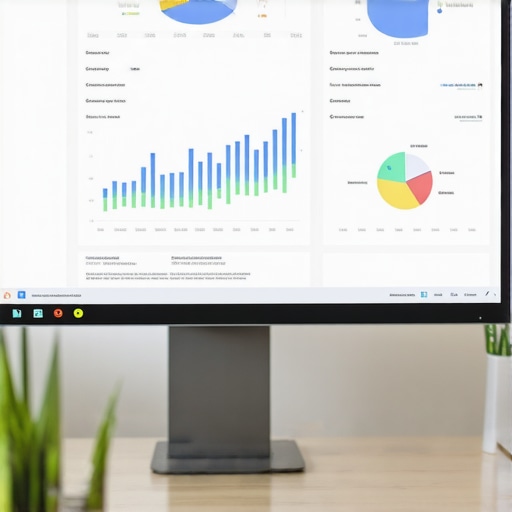
Lessons from the Frontline of Maps SEO
One of the toughest lessons I’ve learned is that superficial tweaks won’t cut it anymore. The real game-changer is understanding that genuine relevance and user experience trump outdated tactics like keyword stuffing or superficial photos. It took me failing multiple times—seeing my rankings dip despite efforts—to realize that engagement signals like active responses, virtual tours, and timely updates are what truly move the needle. My lightbulb moment was when I shifted my focus from trying to rank through tricks to building trust through authenticity and consistent value.
Tools That Became My Secret Weapons
Over time, I found that relying solely on manual efforts was a recipe for burnout. That’s when I turned to tools like this cornerstone resource for strategic guidance, along with this local Maps SEO mastery to fine-tune my efforts. They offered insights I couldn’t get elsewhere, helping me monitor my progress, identify blind spots, and stay ahead in the rapidly evolving landscape. Incorporating analytics platforms like Google Search Console gave me real-time feedback, allowing quick pivots when needed.
Your Next Move Starts Here
If you’re serious about transforming your Google My Business engagement and riding the wave of upcoming updates, now is the time to act. Remember, the future of Maps SEO is here—relevant, interactive, and data-driven. Don’t wait for 2026 to catch up; start building your strategy today. Dive into this comprehensive roadmap and make your business impossible to ignore. Your success depends on the actions you take now—so become proactive, stay informed, and watch your clicks soar!
You may also like
![3 Maps SEO Edits to Stop Hiding Your Store [2026]](https://gmbclickthroughrank.com/wp-content/uploads/2026/03/3-Maps-SEO-Edits-to-Stop-Hiding-Your-Store-2026-512x400.jpeg)
![4 Maps SEO Edits to Steal Local Clicks from Competitors [2026]](https://gmbclickthroughrank.com/wp-content/uploads/2026/02/4-Maps-SEO-Edits-to-Steal-Local-Clicks-from-Competitors-2026-512x400.jpeg)
Leave a Reply