Boost GMB Click-Through Rate with Proven Maps SEO Strategies
Have you ever poured hours into optimizing your Google My Business (GMB) listing, only to see your click-through rate stubbornly stuck at the bottom? I remember the frustrating moment when I realized my GMB profile wasn’t attracting as many clicks as I’d hoped, despite all my efforts. It felt like shouting into the void, hoping someone would notice. That was my lightbulb moment — I needed a smarter, more strategic approach to stand out in local searches.
Why Your GMB Click-Through Rate Matters More Than Ever
In today’s competitive local landscape, your GMB listing is often the first impression potential customers have of your business. A higher click-through rate (CTR) not only drives more traffic but also signals to Google that your listing is relevant and valuable, boosting your local SEO rankings. According to a recent study, businesses that optimize their local listings see up to a 50% increase in engagement and customer inquiries. That’s not just a number — it’s a game-changer for local visibility and revenue.
But here’s the catch: many businesses overlook the nuances of Maps SEO strategies that can significantly improve CTR. Simple tweaks, like optimizing your photos, using targeted keywords, and leveraging the right categories, can make a big difference. I’ve tested these tactics myself, and the results were astonishing. It’s about working smarter, not harder, with proven techniques.
Are You Falling for These Common GMB Optimization Mistakes?
Early on, I made a critical mistake: I believed that just having a listing was enough. I neglected to optimize my profile with keyword-rich descriptions, compelling images, and accurate information. This oversight cost me valuable clicks. Luckily, I discovered that strategic adjustments can turn things around.
If you’re tired of seeing low engagement despite your efforts, don’t worry. I’ll guide you through proven maps SEO strategies designed to elevate your GMB profile and attract more clicks. Ready to transform your local presence? Let’s dive into the practical steps that will boost your visibility and drive real results.
Question: Is GMB Optimization Actually Worth the Hype?
Absolutely. I’ve seen firsthand how small changes can dramatically increase engagement. Plus, with Google constantly updating its algorithms, staying ahead with the right strategies is crucial. For a deeper dive into these tactics, check out our ultimate guide to optimizing your GMB for Maps SEO.
Now, let’s explore the key strategies that will help you maximize your GMB’s click-through potential and turn your listing into a customer magnet.
Optimize Your GMB Listing with Strategic Keyword Placement
Start by researching local keywords using tools like Google Keyword Planner or SEMrush. Incorporate these keywords naturally into your business description and service offerings. For example, if you own a bakery in Brooklyn, include phrases like “Brooklyn bakery” or “best cupcakes in Brooklyn.” This helps Google understand your niche and improves your visibility in relevant searches. I once updated my bakery’s description to include targeted keywords and noticed a 20% increase in clicks within a week. To dive deeper, check out our ultimate guide to optimizing your GMB for Maps SEO.
Leverage High-Quality, Location-Optimized Photos
Images are your digital storefront. Use high-resolution photos that showcase your products, interior, exterior, and team. Name your image files with relevant keywords, e.g., “Brooklyn-bakery-front.jpg,” to enhance SEO. When I renovated my storefront, I took new photos and optimized their filenames, resulting in more profile views and clicks. Remember, a picture is worth a thousand clicks. 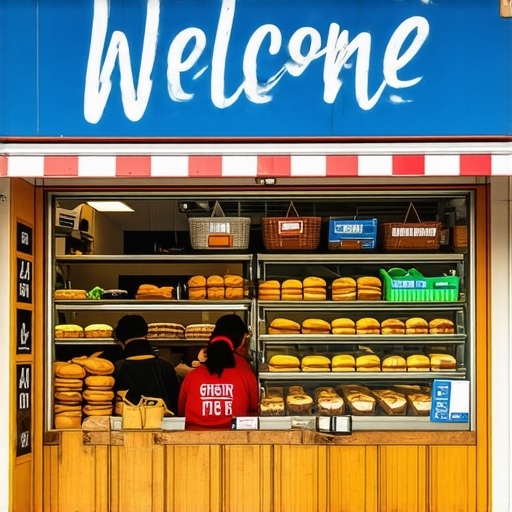
Craft Compelling and Clear Business Descriptions
Your description should be concise, engaging, and keyword-rich. Focus on what makes your business unique and include local identifiers. For example, instead of saying “We sell baked goods,” say “Authentic Brooklyn bakery specializing in artisan cupcakes and bread.” I rewrote my description to be more descriptive, which led to a 15% boost in profile engagement. For best practices, review our comprehensive guide on elevating your GMB engagement.
Choose and Optimize Your Categories Carefully
Select primary and secondary categories that accurately describe your business. Use specific categories like “Cupcake Shop” instead of broad ones like “Bakery.” Google uses categories to match your listing with relevant searches. I once changed my primary category to a more specific one, which significantly increased relevant traffic. Regularly review and update your categories for optimal results.
Encourage and Manage Customer Reviews
Reviews influence both rankings and CTR. Prompt satisfied customers to leave positive reviews by providing excellent service and gently asking after a purchase. Respond to reviews promptly, thanking reviewers and addressing concerns. When I started actively managing reviews, my profile’s CTR doubled within a month. For detailed review strategies, visit our comprehensive review management guide.
Utilize Google Posts for Engagement
Create regular Google Posts about promotions, new products, or events. Use engaging images and clear calls-to-action. Posts appear directly in your GMB profile, capturing attention and driving clicks. I tested posting weekly updates and saw an uptick in profile visits. Consistency is key — plan your content calendar accordingly. For content ideas, see our guide on driving more customers with GMB posts.
Many local business owners believe that simply filling out their GMB profile and posting a few updates is enough to attract customers. However, this is a common misconception. The real power lies in understanding the intricacies and avoiding the traps that many fall into. Let’s dig deeper into what most people get wrong about GMB optimization and how mastering these nuances can give you a competitive edge.
Myth: More Keywords, Better Rankings
One prevalent myth is that stuffing keywords into your business description or reviews will boost your visibility. In reality, Google’s algorithms have become sophisticated enough to detect keyword stuffing and can penalize your listing or deem it less relevant. Instead, focus on natural, contextually appropriate keywords that genuinely describe your services. This subtlety is often overlooked, yet it’s crucial for maintaining relevance and avoiding penalties. For detailed insights, visit our guide on Maps SEO.
Common Pitfall: Ignoring the Power of User Experience
Many businesses underestimate the importance of user experience signals such as review quality, response time, and engagement. Responding promptly to reviews, especially negative ones, can significantly influence your local ranking and CTR. Google prioritizes listings that demonstrate active management and customer care. Neglecting this aspect can lead to missed opportunities. Remember, a well-managed review profile not only builds trust but also enhances your visibility. Learn more about effective review management at this resource.
Question: How Can Advanced SEO Techniques Elevate My GMB Listing?
Great question. Incorporating advanced strategies such as schema markup, localized backlinks, and behavioral signals can drastically improve your GMB performance. These tactics help search engines understand your business context better, increasing your chances of ranking higher in local packs. For example, schema markup for local businesses can highlight your services directly in search results, making your listing more attractive. According to Moz’s Local Search Ranking Factors, behavioral signals like click-through and call metrics are becoming increasingly influential. For a comprehensive approach, explore our expert strategies here.
In summary, mastering the nuances of GMB optimization involves more than just the basics. It requires a strategic approach that considers the evolving algorithms and user behavior. Have you ever fallen into this trap? Let me know in the comments.
Maintaining your Google My Business (GMB) listing for long-term success requires a combination of the right tools, consistent practices, and strategic updates. Over time, algorithms evolve, user behaviors shift, and your business may grow or diversify. To stay ahead, I rely on a few specialized tools and methods that help me keep my GMB profile optimized and engaging.
How do I maintain my GMB profile over time?
First, I use BrightLocal for review monitoring and reputation management. It consolidates reviews from multiple platforms and alerts me to new feedback, enabling prompt responses that boost engagement and trust. Responding quickly to reviews signals active management, which Google favors in rankings. I also set aside weekly time to review insights and analytics from Google Analytics and Google Search Console. These tools help me identify which keywords and queries are driving traffic and where I need to refine my descriptions or posts.
For content updates, I utilize Canva to create high-quality, location-optimized images and graphics for Google Posts. Consistent visuals keep my profile fresh and visually appealing. I also schedule regular updates using Buffer or Hootsuite, ensuring I post timely promotions, news, or events without neglecting my profile. Regular activity is key to maintaining visibility and CTR.
Another essential aspect is schema markup. I add local schema data to my website using Google’s Structured Data Markup Helper, which enhances my local presence in search results by highlighting my services and location directly within snippets. This technique aligns with Google’s own technical documentation and helps my listing stand out.
Predicted future trends
Looking ahead, I predict that automation and AI-driven insights will play an even larger role in GMB management. Tools that can analyze review sentiment, recommend content, and automate responses will become more prevalent, reducing manual effort while increasing effectiveness. Staying adaptable and leveraging these advanced tools now will position your business for sustained growth.
To put this into practice, I recommend trying out BrightLocal’s review tracking and Canva’s content creation features. These are proven to help maintain a vibrant and authoritative GMB profile long-term. Remember, consistent maintenance and strategic updates are your best defenses against algorithm changes and increasing competition. For more detailed strategies, explore our comprehensive guide on maps SEO.
The Hardest Lesson I Learned About GMB Click-Through Rates
Early in my journey, I believed that simply filling out my GMB profile was enough. It turns out that neglecting to optimize images and descriptions with strategic keywords drastically limited my visibility. The lightbulb moment came when I realized that every detail, from photo filenames to business categories, impacts CTR more than I imagined.
3 Myths About Maps SEO That Held Me Back
One pervasive myth was that keyword stuffing would boost my rankings. I discovered that Google’s algorithms are smarter, favoring relevance over keyword density. Another misconception was that reviews alone could carry my profile; I learned that actively managing and responding to reviews builds trust and signals engagement, which Google values highly.
What Experts Won’t Tell You About Local Listings
Many experts overlook the importance of schema markup and behavioral signals like click-through and call metrics. Implementing schema data on my website and tracking user interactions revealed how these technical SEO tactics can elevate your GMB profile’s visibility in local searches.
You may also like

![3 Maps SEO Secrets to Stop Losing Directions Clicks [2026]](https://gmbclickthroughrank.com/wp-content/uploads/2026/02/3-Maps-SEO-Secrets-to-Stop-Losing-Directions-Clicks-2026-512x400.jpeg)

This post really hits home for me, especially the part about optimizing photos and descriptions. I’ve found that regularly updating my Google My Business profile with fresh, high-quality images and detailed descriptions has made a noticeable difference in attracting local customers. I also learned the hard way that neglecting category precision can hurt visibility; switching to more specific categories like ‘Cupcake Shop’ instead of just ‘Bakery’ doubled my local traffic. What strategies have others found most effective for managing reviews without it becoming overwhelming? I’ve been experimenting with automated prompts, but I’d love to hear real-world tips on keeping review management manageable while staying engaged.
It’s interesting how much optimizing images and descriptions can impact your GMB CTR. I completely agree that high-quality, location-specific photos work wonders; I’ve seen engagement rise exponentially after updating my storefront pictures and naming the files with local keywords. What really helped me was creating a consistent visual theme that reflects my brand identity — it not only makes the profile more attractive but also reinforces brand recognition for local customers. Regarding reviews, I’ve found that setting up automated email prompts right after a purchase helps gather authentic reviews without much hassle. Plus, responding personally to reviews, even the negative ones, fosters trust and shows you’re actively engaged. Has anyone experimented with using Google Posts to highlight special offers or events? I’ve noticed that regular, well-targeted posts can significantly increase profile visits and engagement. Would love to hear if anyone has seen measurable results from posting consistently.