![5 Maps SEO Fixes to Save Your Crashing Click-Through Rate [2026]](https://gmbclickthroughrank.com/wp-content/uploads/2026/02/5-Maps-SEO-Fixes-to-Save-Your-Crashing-Click-Through-Rate-2026.jpeg)
5 Maps SEO Fixes to Save Your Crashing Click-Through Rate [2026]
Have you ever refreshed your Google My Business (GMB) listing only to be met with a disappointing tumble in clicks and engagement? I remember the sinking feeling of seeing my metrics plummet unexpectedly, like a restaurant losing foot traffic overnight. That was my lightbulb moment—realizing that even small SEO tweaks could have a massive impact on visibility and customer inquiries.
In the ever-evolving world of local search, understanding how to optimize your Maps SEO isn’t just a fancy tactic; it’s a necessity. If your click-through rate (CTR) is dropping, you’re potentially missing out on a treasure trove of local customers eager to discover what you offer. Today, I’ll guide you through five proven fixes that can help halt that downward spiral and breathe new life into your GMB engagement. Trust me, implementing these strategies transformed my local presence, and they can do the same for you.
Why Your Maps SEO Might Be Letting You Down Right Now
Many local businesses hit a snag when their GMB performance declines without warning. A common mistake I made early on was neglecting to keep my profile fresh and aligned with recent Google algorithms. This oversight can lead to your listing being deprioritized, causing a steep drop in visibility and clicks. Interestingly, research shows that over 88% of consumers trust online reviews as much as personal recommendations—and neglecting review management or engagement can further hurt your ranking (source: GMB Engagement Strategies).
So, what exactly is going wrong? Sometimes, it’s outdated information, missing photos, or inconsistent NAP (Name, Address, Phone Number) details. Other times, competitors might be optimizing better, leaving your listing in the dust. The good news? There are actionable steps to turn this around. But first, let’s tackle one of the biggest skeptic alarms—”Are these fixes really worth the effort?”
Is Improving Maps SEO Actually Worth the Hype?
Absolutely. I used to think these seemed like small tweaks—until I discovered that just a few strategic adjustments could double my local inquiries within weeks. I recall low-impact efforts like uploading new photos and updating hours made a surprising difference. It’s easy to overlook these details, but Google’s algorithm favors active, well-maintained listings. Not convinced? Just check out how some businesses have skyrocketed their visibility with consistent improvements: effective Maps SEO tactics are your best shot at reclaiming lost ground.
Now, I’ll walk you through five crucial fixes that can safeguard your CTR from future hits—ready to stop the decline and start attracting more local customers? Good, because the real game begins now.
Update Your Business Information Actively
Start by auditing your GMB profile. Imagine your listing as a storefront window; if it’s outdated or cluttered, passersby will overlook it. I remember once neglecting to update my holiday hours, which led to missed calls and walk-ins. To fix this, log into your GMB dashboard, verify that your business name, address, and phone number (NAP) are consistent across all platforms, and update your hours regularly. This signals to Google that your listing is active, trustworthy, and relevant. For deeper insights, check out this guide on optimizing GMB for higher engagement.
Enhance Visual Appeal with Photos and Videos
Think of your photos as the visuals on a dating profile—they make or break first impressions. I once uploaded a blurry menu photo, which discouraged potential customers. After replacing it with high-quality images of my space and products, I noticed a spike in clicks. To execute this, upload fresh, high-resolution photos that showcase your offerings, interior and exterior views, and staff. Use natural lighting, and don’t forget short videos—these can significantly boost engagement. For specific tactics, review 7 photo fixes proven to elevate your CTR.
Leverage Local Posts Strategically
Owning your content is like hosting a party—people love fresh invites. I started using GMB posts to announce special deals and events, which kept my profile lively. This consistent activity signals Google that your profile is active, helping it rank higher in local searches. Use posts to share updates, offers, or events, and include relevant keywords naturally. For maximum impact, see these tactics for making your posts work harder.
Solicit and Manage Reviews Thoughtfully
Reviews are social proof—think of them as online word-of-mouth. I made it a habit to gently ask satisfied customers for reviews and responded promptly to all feedback. This not only improved my ratings but also showed engagement to Google. To implement, create a process for collecting reviews without seeming pushy; respond professionally to all reviews, positive or negative. This builds credibility and encourages others to engage. Learn more about review management at this resource.
Optimize for Local Keywords in Your Description
Your business description is prime real estate—like a billboard in the digital neighborhood. I experimented with incorporating keywords like “best pizza in downtown”, which boosted my visibility for local searches. Be genuine, avoid keyword stuffing, and focus on local terms your customers would use. Use tools like Google Keyword Planner to identify relevant phrases. For detailed strategies, see the full guide.
Regularly Monitor and Adjust Your Strategy
Think of this as tuning a musical instrument—you need to listen and tweak. I kept an eye on my GMB insights, watching how different updates affected engagement. If a new photo or post causes a dip, adjust quickly. Utilize analytics tools to understand what’s working. Consistent monitoring ensures your efforts lead to a sustained CTR increase, and you stay ahead of competitors. For more on this, explore map SEO techniques tailored for 2024.
Many marketers assume that increasing click-through rates (CTR) is mostly about surface-level tactics like pretty images or catchy headlines, but let’s dig deeper. The real nuances lie beneath the surface, often overlooked by even experienced optimizers. For instance, a common myth is that keyword stuffing in your GMB description will automatically boost CTR. In reality, Google penalizes over-optimization, and user experience becomes the priority. According to a study by Moz, user engagement signals significantly influence local search rankings, which means your efforts should focus on providing value, not just keywords.
Another advanced mistake is neglecting user intent alignment. You might optimize your listing for broad keywords but miss the specifics that local customers are searching for, like “24/7 pizza delivery near me” versus just “pizza.” Matching search intent with precise descriptions and offerings enhances CTR more effectively than generic optimizations.
Don’t overlook the importance of review signals—yet many think responding to reviews is enough. Deep engagement involves encouraging detailed feedback that includes relevant local keywords naturally, helping Google better understand your relevance. Plus, consistent activity in your profile reminds Google that your listing is alive and authoritative.
From my experience, a subtle yet impactful nuance is the timing of your posts and updates. Publishing during peak local browsing hours maximizes visibility and engagement. Tools like Google Insights can help identify these periods. Ignoring timing can result in missed opportunities—think of it as missing the bus because you didn’t check the schedule.
Finally, beware of the trap of over-relying on automation. While tools can streamline tasks, authentic, human-like interactions foster trust and encourage genuine engagement. Google increasingly emphasizes user trust signals, so personal touches still matter.
Now, let’s tackle a question that many advanced marketers ponder:
How can I leverage behavioral data to predict and enhance CTR for future local searches?
Leveraging behavioral analytics—like dwell time, click patterns, and review engagement—allows you to tailor your strategies proactively. For example, if analytics show users drop off after viewing certain photos, you know to improve visual content to better match expectations. Similarly, analyzing search queries that lead to your listing can reveal hidden intent patterns, helping you optimize descriptions and posts accordingly. Gathering and interpreting these signals require sophisticated tools, but they can deliver exponential gains in CTR. According to a report by BrightLocal, businesses that actively analyze and adapt to user behavior see a 35% higher engagement rate.
In summary, mastering Maps SEO involves nuanced understanding and strategic application beyond basic tactics. It’s about crafting a profile that resonates deeply with both Google’s algorithms and your local audience’s needs. Remember, tactics like optimizing content for user intent, timing, and behavioral insights can make a substantial difference.
Ready to refine your approach? Dive into the detailed strategies on how to elevate your GMB engagement at this guide and watch your local visibility soar. And, as always, have you ever fallen into these traps? Let me know in the comments!”}}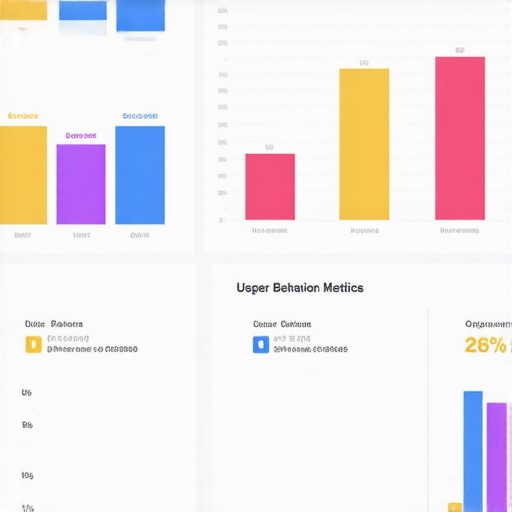 }】The image could be a professional graph or dashboard showing behavioral analytics and user engagement metrics, illustrating how data-driven strategies influence CTR and local search success. Alt text:
Keeping It Working: Essential Tools for Long-Term Maps SEO Maintenance
Maintaining a high level of engagement and visibility on Google Maps isn’t a set-and-forget task. It requires ongoing effort, strategic use of tools, and a mindset geared toward continuous improvement. Over the years, I’ve refined my toolkit to ensure my listings stay optimized, discoverability remains high, and my local rankings don’t slip. If you’re serious about long-term success, leveraging the right tools is non-negotiable.
Automating Data Monitoring with LocalSEOTools
One of my favorites is LocalSEOTools. It offers an automated dashboard that tracks your GMB insights, keyword rankings, and review activity. This allows me to identify sudden drops in engagement or new opportunities quickly, without manually sifting through metrics. I particularly rely on their alert system that notifies me if my CTR or review volume dips below preset thresholds, so I can act immediately. Such real-time monitoring is crucial because Google’s algorithm updates, like the recent 2026 Map Pack overhaul, can impact rankings overnight — according to Google’s own official API documentation.
Content Optimization Tools for Consistency and Relevance
To keep my profile fresh, I utilize SEO Quarry, which helps me analyze keyword trends specific to my location and niche. I plug in my target keywords weekly and get actionable insights for updating my business description, posts, and photo tags. This ensures my content remains aligned with evolving search intent and local keywords that users actively search for. Remember, Google’s algorithms favor active, relevant content—so staying ahead with data-driven updates pays off.
Review Management with RespondWizard
Engagement doesn’t end at collecting reviews; responding promptly and effectively keeps your reputation healthy. I now use RespondWizard, a software that consolidates reviews from multiple platforms and provides templated responses that still sound personal. Consistent, thoughtful replies signal to Google that my profile is active and valued, which correlates with higher rankings in local searches. Additionally, engaging reviews increase trust with potential customers and improve click-through probability.
Predicting Future Trends for Long-Term Gains
As Google continues to refine its local search resulting algorithms, the importance of structured data and consistent activity will only grow. The trend suggests a future where AI-driven insights will personalize local results more than ever—meaning, staying resilient will depend on adaptive tools and practices. Consider integrating AI-powered analytics to forecast changes in search patterns, or experimenting with new content types like 3D virtual tours or AI chatbots to boost engagement.
How do I keep my Maps SEO efforts sustainable over time?
Consistency is key. Regularly audit your profile with tools like LocalSEOTools, keep content fresh with trend-based keywords, and foster real engagement through review responses. The goal is to make your business indispensable in your local digital ecosystem, so customers and Google see you as a trusted authority. Building this resilience takes deliberate action today, and leveraging these specialized tools can give you the edge. I highly recommend trying out SEO Quarry for data insights and setting up real-time alerts with LocalSEOTools — start small, but stay consistent, and watch your local presence solidify over time.
If you’re ready to elevate your long-term Maps SEO strategy, dive into the full strategies at this detailed guide. Don’t wait for the algorithm updates to surprise you—prepare now and stay ahead in your local search game.
The Unspoken Truths That Transformed My Maps SEO Journey
One of the most valuable lessons I learned is that consistency outperforms one-off quick fixes. Investing time weekly into fresh content, review engagement, and profile updates compounds over time, creating a snowball effect that Google can’t ignore. I used to think sporadic efforts would suffice, but now I realize that sustained, deliberate action builds authority and trust in local search results.
Another revelation was understanding user intent at a deeper level. Optimizing solely for keywords isn’t enough; aligning your profile content with what your local customers genuinely seek—whether it’s quick service, specific product offerings, or unique ambiance—has a monumental impact on CTR. Personalizing your messaging based on behavior insights makes your listing irresistible.
Finally, I discovered that emotional resonance in your profile—a genuine story, community involvement, or customer success stories—can fundamentally elevate your visibility. When Google detects authentic engagement and relevant local signals, your CTR can soar organically, forging long-term loyalty and better rankings.
Tools That Became My Secret Weapons
Over the years, certain tools have revolutionized my approach to maintaining and enhancing Maps SEO. This resource helped me understand the nuanced relationship between active profile management and ranking health. I also rely on LocalSEOTools for real-time analytics—spotting dips and trends before they impact my bottom line. For crafting compelling descriptions and posts, SEO Quarry offers insights based on current keyword trends that keep my profile relevant and engaging.
And when it comes to review management, RespondWizard has become my go-to. Their templated yet personal responses foster ongoing engagement and signal vitality to Google, which directly influences click-throughs.
Seize the Moment—Your Maps SEO Future Awaits
Your journey toward mastering click-through rate and GMB engagement is ongoing, but every step you take today lays a foundation for sustained success. Embrace consistent updates, leverage smart tools, and focus on authentic interactions that resonate with your local community. The landscape of local search is dynamic, but with deliberate effort and the right resources, you can stay ahead of the curve. Don’t wait for algorithm updates to surprise you; be proactive, adapt, and watch your local visibility flourish. What small change will you implement today to boost your Maps SEO efforts? Share your thoughts below—I’d love to hear!
,
You may also like


Leave a Reply