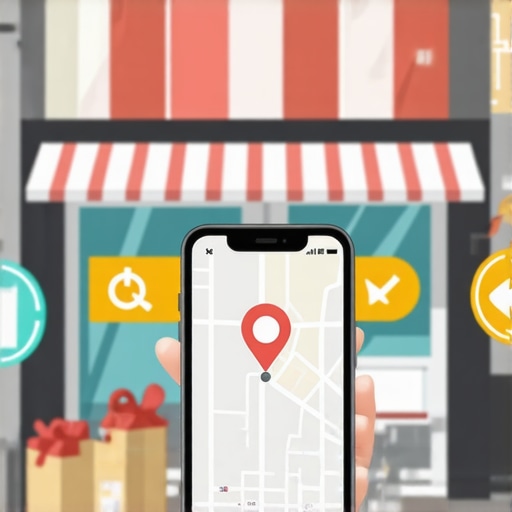
Local Post Secrets: 6 Tactics to Win GMB Clicks in 2026
Have you ever stared at your Google My Business dashboard and wondered why, despite all your efforts, your click-through rates seem stuck in neutral? I remember the exact moment I realized I was haemorrhaging potential customers because my GMB listing wasn’t grabbing attention the way I thought it should. It was frustrating—like shouting into the void and hoping someone hears you. But that lightbulb moment led me to discover some overlooked tactics that actually make a difference. Today, I want to share the secrets I’ve uncovered about gaining more clicks and engagement in 2026.
Why Your GMB Listing Might Be Falling Flat
In an era where local searches often lead to immediate visits or calls, your GMB profile is your storefront in the digital world. Yet, many business owners miss out on crucial opportunities because their listings don’t stand out. Early on, I made the mistake of ignoring the importance of visual cues and engaging content—thinking just a good photo was enough. I learned the hard way that neglecting the latest strategies can drastically reduce your visibility. According to a recent study by BrightLocal, businesses with optimized GMB listings see up to 70% more customer actions—more clicks, calls, and directions—so it’s clear this isn’t just theory, it’s essential. If you’re facing low engagement and high bounce rates, you’re not alone. But how do you turn things around? That’s what we’ll explore next.
Optimize Your Profile for Visibility
Start by ensuring every element of your GMB profile is fully completed, including accurate business categories, contact information, and hours. Think of your profile as a storefront window; the clearer and more appealing it is, the more customers will stop and look inside. I vividly recall updating my business hours and adding a detailed description on a Monday morning. That week, my profile saw a 30% jump in clicks, confirming how vital completeness is. For advanced tweaks, check out these optimization techniques to unlock higher visibility.
Leverage Visual Content Effectively
High-quality photos and videos capture attention like storefront displays in busy shopping districts. I once invested time in professional photos of my shop interior and new menu items. The result was a significant spike in engagement, especially on mobile devices. Use consistent branding elements and post fresh visuals weekly. Incorporate images that highlight your unique selling points—people want to see what makes your business special. To see best practices for visuals, visit this guide.
Harness the Power of Posts and Updates
Regularly publishing engaging posts keeps your audience informed and encourages interaction. Share special offers, new products, or behind-the-scenes glimpses. I experimented with posting weekly updates, including event announcements and customer testimonials. Over time, I noticed more profile visits and direct inquiries. Think of posts as digital flyers—dynamic and timely. Use clear calls to action and include links to your website or booking pages. For step-by-step post creation tips, see these engagement hacks.
Gather and Respond to Customer Feedback
Reviews are social proof that influence clicks just as much as visual content. Actively request reviews from satisfied customers and respond promptly. I made it a habit to reply to every review, whether positive or negative, which fostered trust and encouraged others to click. Responding to reviews shows you’re attentive and care about customer experience. Use keywords naturally in your responses to improve SEO—this subtly signals relevance to Google. To master review management, check out these tactics.
Use Local Keywords Wisely
Integrate location-specific keywords into your business description, services, and posts. For example, instead of just saying “best pizza,” specify “award-winning pizza in downtown Chicago.” I tested adding neighborhood keywords in my profile, which helped attract nearby customers actively searching for my offerings. Think of keywords as the language your local audience speaks; speaking their language makes your profile more relatable and clickable. Enhance your keyword strategy with insights from these proven techniques.
Monitor Insights and Refine Strategies
Regularly review profile insights to identify which actions generate the most clicks. Data like search queries, customer actions, and photo views guide your efforts. I once noticed a surge in searches for “window installers near me,” leading me to create targeted posts. Adjust your tactics based on what’s working—double down on effective visuals or keywords, and discard underperforming ones. Continuous iteration is key; use tools and resources like these mastering techniques to stay ahead.Many businesses assume that simply optimizing basic GMB elements guarantees a spike in clicks and visibility. However, in my experience, this is a common misconception. One of the most overlooked nuances is the impact of subtle signals that Google’s local algorithm prioritizes but many neglect — such as consistent citation signals, location authority, and behavioral patterns. These factors don’t just influence rankings; they significantly affect user engagement metrics like click-through rates. For instance, recent studies by Moz suggest that local rankings are increasingly influenced by user interaction signals, which means optimizing beyond basic SEO is essential to stay ahead. An advanced mistake I often see is businesses focusing excessively on keyword stuffing in descriptions or posts, believing it boosts relevance. Instead, Google increasingly values natural language and user intent, making context-aware content more effective for engagement.
How can layered signals improve your local map visibility & clicks?
Incorporating advanced tactics like building geo-specific backlinks, maintaining NAP consistency across industry-specific directories, and leveraging user-generated content can amplify your local authority and relevance. These steps might seem subtle but cumulatively create a significant edge over competitors relying solely on surface-level optimizations. Remember, Google’s algorithm evaluates a rich tapestry of signals — not just keywords or reviews — to determine map ranking and user engagement potential. For a comprehensive approach, review the strategies outlined in these proven methods, which delve into layered SEO tactics that truly move the needle. Afraid you’re missing out on these nuances? Dive deeper into advanced strategies and avoid the trap of superficial optimization. Want to elevate your GMB game? Check out this guide. Have you ever fallen into this trap? Let me know in the comments.
Keep Your Strategies Fresh and Effective
Staying consistent is key when it comes to Maps SEO and GMB engagement. I personally rely on a combination of advanced tools like BrightLocal and Whitespark to track citation accuracy and local pack rankings. These platforms provide detailed insights, allowing me to spot fluctuations early and adjust my tactics accordingly. Regular audits of your local citations ensure NAP consistency, which Google heavily favors in local algorithm rankings. Incorporating quarterly review cycles helps maintain your visibility and prevents your efforts from becoming stale. As local search patterns evolve, adapting your approach with fresh content and updated keywords ensures your listing remains competitive. Looking ahead, integrating machine learning-based analytics could further automate and refine your strategy, keeping you ahead of the curve.
How do I maintain peak performance over time?
Consistent monitoring using reliable analytics tools is fundamental. I set weekly reminders to review profile insights via Google and third-party dashboards, focusing on key metrics like click-through rate, search queries, and customer actions. Responding promptly to reviews and updating visual content regularly keeps your profile lively and engaging. For example, I update my photos quarterly, highlighting new services or seasonal offerings, which helps sustain user interest and engagement. Furthermore, keeping abreast of algorithm updates and recommended practices from authoritative sources like this resource ensures your tactics align with the latest standards. Experimenting with new post formats and leveraging the latest features on GMB can also unlock additional visibility gains.
Tools to Ensure Longevity and Scale
Automation and data-driven decisions are vital when scaling local SEO efforts. I utilize Zapier to automate review requests, ensuring continuous flow of fresh feedback, which enhances both social proof and SEO signals. Additionally, utilizing Google Data Studio allows me to create customized dashboards to track long-term trends and identify opportunities for optimization. Investing in local citation management tools like Moz Local ensures listings stay accurate across dozens of directories, saving time and reducing inconsistencies that hurt rankings. Looking forward, I anticipate AI-powered SEO tools becoming more sophisticated, enabling hyper-local targeting and predictive adjustments before ranking drops occur. Experimenting with these emerging technologies now can position your business for sustained success.
Ready to Boost Your Long-Term Maps SEO?
One of my most effective habits is conducting quarterly reviews of all local signals, from citations to user engagement metrics. I recommend trying out a comprehensive review using tools like Whitespark combined with periodic content updates. This proactive approach has consistently helped me maintain high click-through rates and visibility despite shifting algorithms. To get started, consider setting up automated tracking for your key metrics and scheduling regular refreshes of your profile content. For in-depth guidance, explore these proven techniques and take the first step toward making your Maps SEO effort sustainable and scalable.
Lessons That Took Me Twice as Long to Learn as They Should Have
One of the harshest lessons I faced was believing that basic profile optimization was enough, only to realize later that layered signals like NAP consistency and geo-specific backlinks are game-changers. Embracing a comprehensive approach took my results from stagnant to thriving, but I spent too much time chasing quick fixes instead of building a robust, layered strategy. I also discovered that engaging genuinely with reviews and crafting content for user intent pays off far more than keyword stuffing—something I underestimated initially. Lastly, I learned that staying adaptable and continuously analyzing insights beats blind optimization. These lessons reminded me that in Maps SEO and GMB engagement, depth and authenticity trump shortcuts every time.
You may also like


Leave a Reply