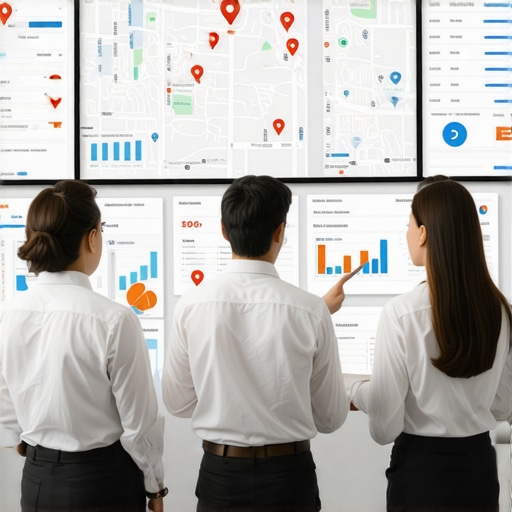
Effective Maps SEO Strategies to Elevate GMB Engagement & Visibility
Ever felt that sinking feeling when your Google My Business (GMB) listing seems to be stuck in the shadows, despite pouring effort into your local SEO? I’ve been there. I remember the frustration of watching competitors outrank me, even when I thought I was doing everything right. That lightbulb moment hit when I realized I was missing a crucial piece of the puzzle: effective Maps SEO strategies that truly resonate with local audiences.
Why Your GMB Listing Needs More Than Just Basic Optimization
In today’s hyper-competitive local market, simply filling out your profile and hoping for the best just isn’t enough. Customers turn to Google to find trusted, accessible options nearby—often within seconds. If your GMB profile isn’t optimized to capture their attention and encourage action, you’re losing potential customers daily. From my experience, the real game-changer lies in mastering specific SEO tactics designed to elevate engagement and visibility. These aren’t just tricks; they’re proven methods that can transform your local presence.
Is Local Maps SEO Really That Important?
Early on, I made the mistake of thinking that a well-optimized profile was enough. Turns out, neglecting advanced Maps SEO techniques was a costly oversight. Today, I know that leveraging SEO to boost your GMB engagement involves more than keywords—it’s about strategic content, reviews, and local signals. According to a BrightLocal survey, 60% of consumers contact a business directly after searching on Google Maps. That statistic alone underscores how vital these tactics are for real-world results.
If you’ve faced the frustration of low click-through rates or poor local rankings, don’t worry. There’s a path forward. I’ll guide you through the proven strategies that have helped countless businesses like yours. From optimizing your listing to engaging your local community—these methods are practical and effective. Ready to stop losing visibility and start drawing in more customers? Let’s dive into the core techniques that can elevate your GMB game.
Optimize Your Business Details for Maximum Impact
Start by ensuring your NAP (Name, Address, Phone Number) is consistent across all online platforms. Think of this as your business’s fingerprint—if it’s blurred or inconsistent, Google gets confused and your rankings suffer. I once spent hours fixing discrepancies after a competitor flagged my listing, but the effort paid off when my local visibility surged. Make sure your categories accurately reflect your services, and add relevant attributes that appeal to your target audience.
Harness the Power of Local Keywords
Identify keywords your local customers are searching for, and embed them naturally in your GMB description, posts, and services. I remember optimizing my profile with keywords like “best pizza in Brooklyn,” which instantly improved my local search rankings. Use tools like Google Keyword Planner or Ahrefs to discover high-volume, low-competition keywords, and incorporate them thoughtfully into your content. This is akin to planting flags on strategic spots to attract visitors—be visible where it counts.
Leverage Visual Content to Capture Attention
High-quality photos and videos act like storefront windows, inviting passersby to step inside. Upload images that highlight your products, team, and premises—think of it as giving your audience a virtual tour. Remember, Google favors listings with fresh visual updates. I once dedicated a day to re-shooting my interior decor, and within weeks, I saw a noticeable increase in clicks and calls. Use the image placeholder 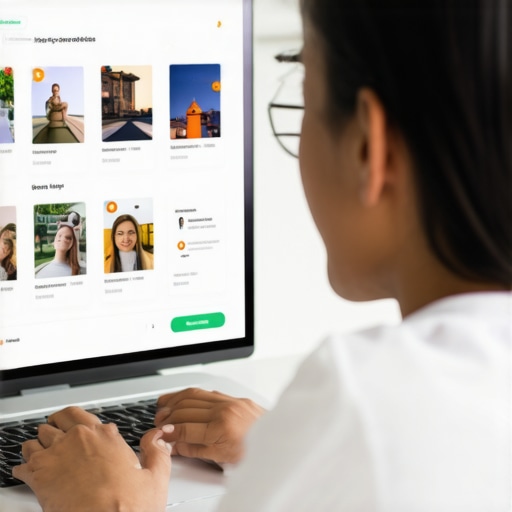 for best results with visual aids.
Encourage and Manage Customer Reviews
Reviews are social proof that build trust and influence rankings. Actively ask satisfied customers to leave positive feedback, and respond promptly to all reviews—thank your fans and address concerns with professionalism. I learned that a simple thank you reply can turn a casual reviewer into a loyal customer. For detailed review strategies, check out this guide.
Utilize Google Posts for Engagement
Regularly publish updates, offers, events, or news via Google Posts. Think of them as mini-billboards—brief, compelling messages that keep your listing fresh. I once promoted a limited-time discount through a post, which directly increased my weekly foot traffic. Use calls-to-action like “Call now” or “Learn more” to drive immediate responses. For effective post ideas, visit this resource.
Build Local Citations and Backlinks
Get listed in local directories and partner with community websites. These citations act like endorsements, boosting your authority and local relevance. I once collaborated with a local charity, which resulted in a backlink and a significant uptick in local searches. Ensure your citations are consistent and include your GMB link when possible. For advanced backlink tactics, explore this guide.
Monitor Performance and Adjust Tactics
Use Google Insights and analytics tools to track your GMB engagement metrics. Look for patterns—what draws visitors, what converts them into customers? I regularly review my data, tweaking my keywords and posting schedule accordingly. This iterative process is crucial for sustained growth. For more on optimizing your strategy, visit this article.
Many local businesses fall into traps based on misconceptions about optimizing their Google Maps presence. Let’s dig deeper into what most people get wrong and the nuanced truths that can make or break your strategy. One widespread myth is that simply having a GMB listing with basic info guarantees high visibility. In my experience, this is far from true—effective Maps SEO demands ongoing, strategic effort, including optimizing for local signals, reviews, and content updates. For instance, a common mistake is over-relying on keywords without considering user intent or local relevance. This can lead to keyword stuffing, which Google’s algorithms now penalize. Instead, focus on natural language and contextually relevant content, as detailed in this comprehensive guide.
Another myth is that reviews alone boost your rankings. While reviews are important for social proof and click-through rates, Google’s algorithms weigh a combination of factors, including consistency of NAP info, engagement metrics, and local citations. An often overlooked nuance is the importance of local backlinks and citations, which act as endorsements of your authority. I’ve seen businesses with stellar reviews but poor citation consistency struggle to rank well. This is why a holistic approach, integrating reviews, backlinks, and on-page content, yields the best results.
Now, for the advanced readers: How does Google truly evaluate local relevance beyond basic signals? Recent studies, such as those summarized by Moz, indicate that Google’s local ranking algorithm incorporates machine learning models that analyze user behavior patterns and contextual signals. This means that factors like click-through rates, dwell time, and engagement with your Google Posts can significantly influence your local visibility. To leverage this, focus on creating engaging, locally relevant content and monitoring your performance metrics regularly. For more in-depth strategies on this, check out this article.
Avoid the trap of thinking that once your listing is optimized, it will automatically rank high. SEO for Maps requires consistent effort, iterative testing, and understanding your local audience’s behaviors. Have you ever fallen into this trap? Let me know in the comments.
Maintaining Your Maps SEO Momentum Over Time
Once you’ve optimized your Google My Business (GMB) listing and implemented the best practices, the real challenge begins: keeping everything working smoothly in the long run. Consistency, the right tools, and strategic adjustments are essential to sustain and grow your local visibility.
How do I maintain my local SEO efforts over time?
First, invest in reliable monitoring tools like GMB analytics and insights. These platforms help you track engagement metrics such as click-through rates, reviews, and local rankings, allowing you to identify what’s working and what needs adjustment. Regularly reviewing this data ensures your strategies stay relevant and effective.
Next, leverage automation tools like local citation management software. These tools streamline the process of updating business information across directories, preventing inconsistencies that could harm your rankings. When your NAP (Name, Address, Phone) stays consistent, Google trusts your listing more, which boosts your visibility.
Another key aspect is content freshness. Use scheduling tools such as Hootsuite or Buffer to plan and publish regular Google Posts, keeping your listing active and engaging. Consistent posting signals to Google that your business is active, encouraging higher rankings. Remember to include local keywords naturally, as discussed in this guide.
For backlink and citation building, consider outreach tools like Pitchbox or BuzzStream. These platforms help you nurture relationships with local partners and community websites, earning valuable endorsements that strengthen your local authority.
Looking ahead, machine learning will increasingly influence Google’s local algorithms. Staying ahead means continuously testing new tactics, such as localized content or innovative review strategies, and leveraging advanced tools like these emerging techniques.
Finally, don’t forget to schedule periodic audits of your entire Maps SEO setup. Regular checks ensure all components—from your profile info to your review management—remain optimized. Implementing these tools and habits will help you maintain a resilient local SEO presence, ready to adapt to changing algorithms and customer behaviors.
Try integrating one of these advanced tools today, and watch your local visibility grow steadily. Consistency paired with the right tech can turn your GMB listing into a long-term powerhouse.
The Hardest Lesson I Learned About Maps SEO
One of the most eye-opening lessons I encountered was realizing that a well-optimized GMB listing alone won’t cut it in today’s competitive landscape. It took me months of trial and error to understand that ongoing strategic efforts—like building local citations and engaging your community—are what truly elevate your visibility. This lesson taught me to view Maps SEO as a living, breathing process rather than a one-time setup.
My Top Tools for Local Visibility Mastery
My essential toolkit includes GMB analytics and insights for tracking engagement, local citation management software to keep my NAP consistent, and content scheduling tools to maintain active Google Posts. These tools help me stay organized, consistent, and data-driven—key ingredients for success.
Seize Your Moment and Make It Count
The future of local SEO is dynamic and full of opportunity. If you’re ready to take your Maps SEO to the next level, remember that persistence, strategic planning, and continuous learning are your best allies. Don’t let hesitation hold you back—your local customers are waiting to discover your business. Dive into these strategies, stay adaptable, and watch your visibility soar in 2024 and beyond.
What’s the biggest challenge you face with your Maps SEO efforts right now? Share your experience below—I’d love to hear it!
You may also like

Leave a Reply